

Case Study: Navigating a Complex $80k Resin & Wood Christmas Order
It was late February. I was having dinner with my wife and daughter when I got the email: We won a nearly $80,000 Christmas decor project. We celebrated that night.
I had no idea that this single PO would bring me six months of insomnia, a near $45,000 loss, and a crash course in supply chain management.
Here is the brutal truth about the hidden traps in manufacturing, and the fatal mistake I made that almost cost us everything.
1. The Low-Quote Trap & A $45,000 Integrity Test
But when the actual samples arrived in March, the factories realized the structure was too complex. They came back and told us: "The price is going to nearly double."
My heart sank. The PI was already signed. If I told the client, I'd ruin their budget. If I didn't, I’d swallow a $45,000 loss.
I called the client, confessed the quoting error, and told them: "We will bear the entire financial loss. The price stays the same for you."
Why? Because integrity is the only currency in this business. (We ended up finding another factory, but their updated quote was still the lowest among the few capable of this craft).
2. The Production Battlefield: Painting & Materials
Then, the factory tried to swap the original wood for cheap plywood. We caught it. I flew from Ningbo to Fujian multiple times just to stand on the factory floor and force them to follow the spec.
3. My Fatal Procedural Error (The Lesson That Cost Us Dearly)
This was a fatal mistake.
By mid-June, half the goods were packed. The client suddenly demanded a physical sample for final confirmation. Then came the new requirements: "Make the faces more delicate, change the hair color, and change the dry moss on the roof to green moss."
These new requests exceeded the original sample quality! But they were the buyer. We had to comply. We stopped the line, re-opened molds, and redid everything. I told the factory: "This is our fault for skipping the sample. We will pay for all the extra rework and mold costs. Just please prioritize our timeline."
4. The Final Sprint: 3 Containers Shipped
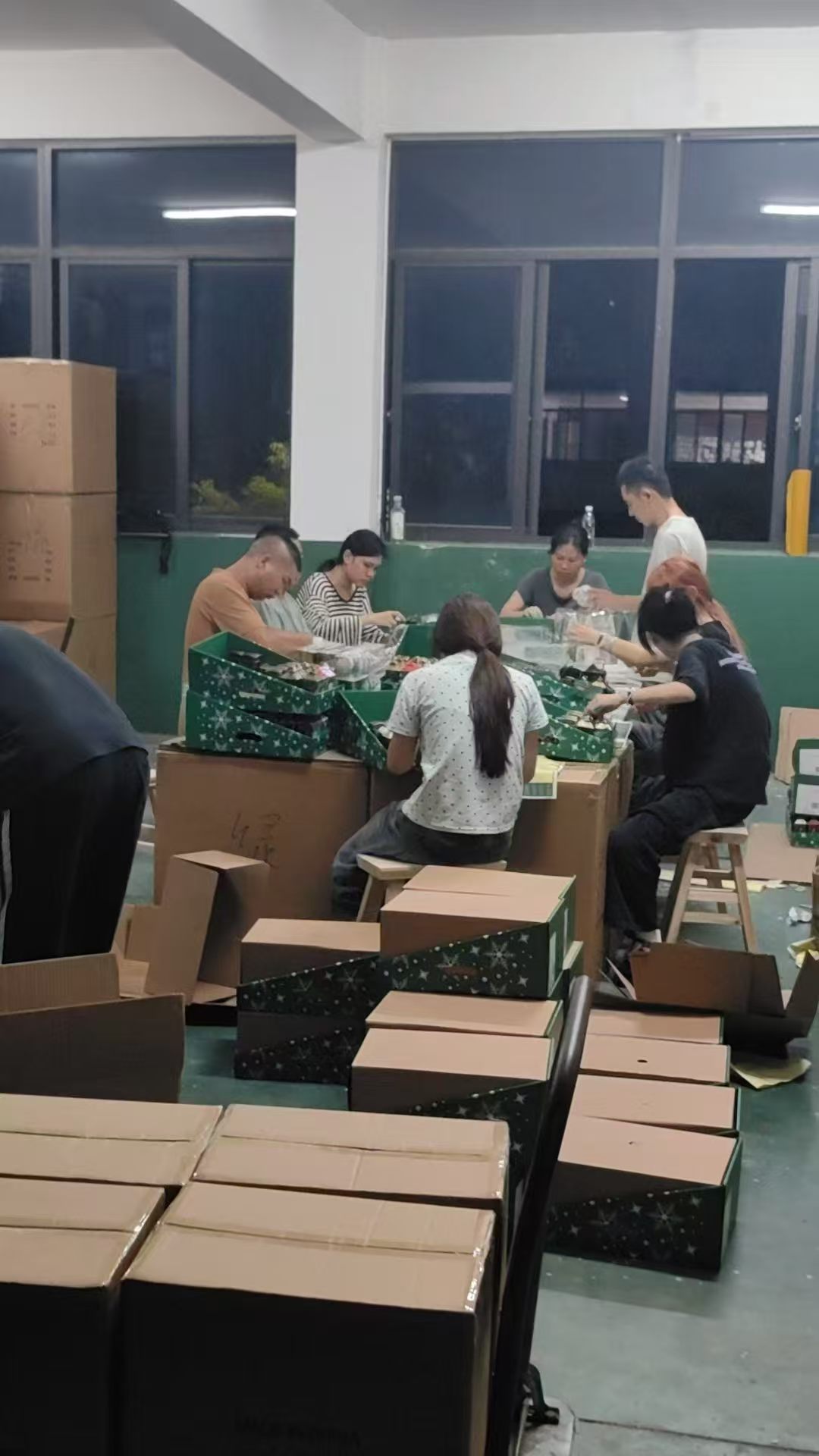
We paid a premium to the printing factory to crash the production of display boxes—cutting the 7-10 day lead time down to 4 days. We hired an express truck to drive the boxes directly to the Fujian factory.
Through sleepless nights and relentless pushing, we finished 3 containers by late August, passed the inspection, and shipped via rail in early September.
The Ultimate Takeaway:
We are already preparing for the 2027 season. If you want a partner who treats your retail deadlines like a matter of life and death, let's connect.
Have you ever had to skip a pre-production sample due to tight deadlines? What was the result? Let me know in the comments.
The project was a complex mix of resin and wood religious Christmas ornaments. We got quotes from two new factories—both perfectly matched the target price.
Resin and wood look easy, until you try to mass-produce them.
The client required a vintage finish on the religious figures' faces—no pockmarks, high clarity. The factory's painting was a disaster. We spent nights brainstorming, consulting other experts, and revising the process 4 to 5 times in a month just to get the faces right.
By May, time was tight. The delivery was due end of June.
The final version was approved by photo. To save a week, we skipped the physical pre-production sample and went straight to mass production.
By August, the client's artwork and display box designs were still changing. (The previous designs were completely scrapped).
When we finally got the confirmation in early August, the third-party inspection dates were locked.
Direct factory sourcing can save you pennies, but it leaves you alone in the trenches when things go wrong. As a sourcing partner, we don't just pass the blame. We absorb the financial risk, we fly to the factory floor, and we fix the mistakes—even when they are our own.

 Deutsch
 Espanol
 Francais
 Italiano
 Portugues
 Japanese
 Korean
 Arabic
 Russian


